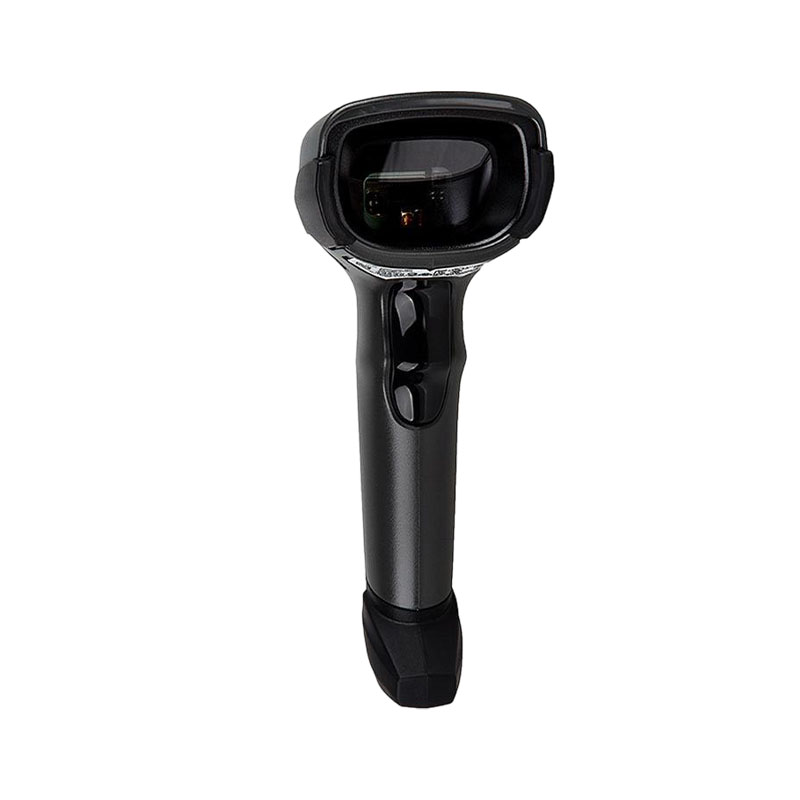

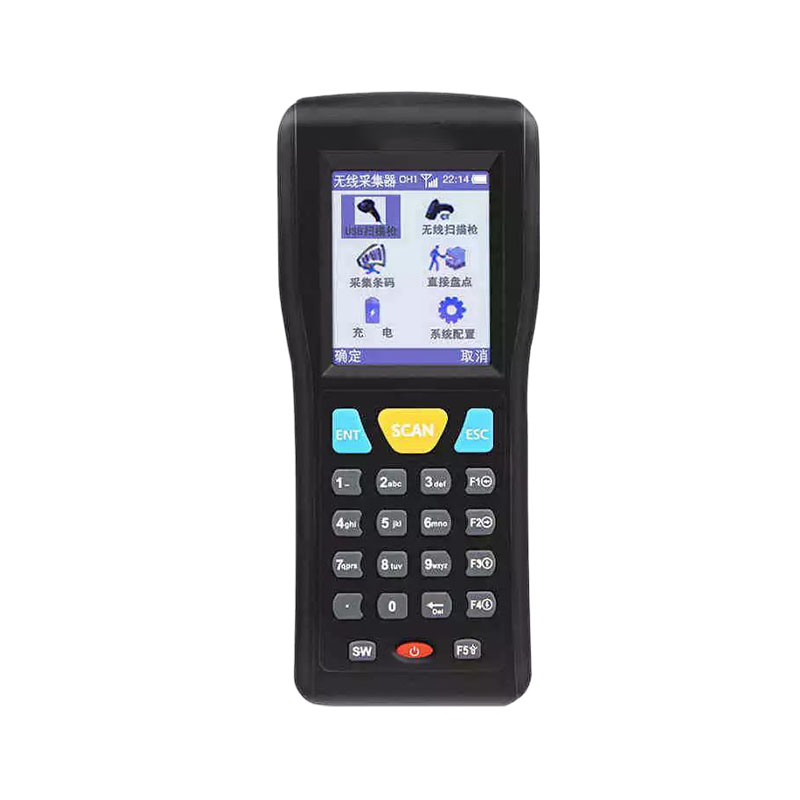
Traditional scanners often use a single light source and a fixed focal length design, which can easily lead to blurry images due to uneven reflected light in the case of damaged barcodes.
At retail checkouts, beside warehouse shelves, on logistics sorting lines, and even in hospital pharmacies, clear and accurate barcode labels are being printed, affixed, and scanned at an astonishing speed—driven by a seemingly ordinary yet highly intelli
In such conditions, ordinary labels often fail rapidly under high-temperature baking—the adhesive layer melts, the substrate carbonizes, the label lifts or even detaches completely, leading to information loss, traceability difficulties, and even quality
The uniformity of barcode paper thickness provides a fundamental condition for accurate decoding by controlling object distance stability, reflection signal consistency, and dynamic focusing reliability.
Overheating of the printhead is a key issue affecting the lifespan and print quality of barcode printers during prolonged continuous operation.
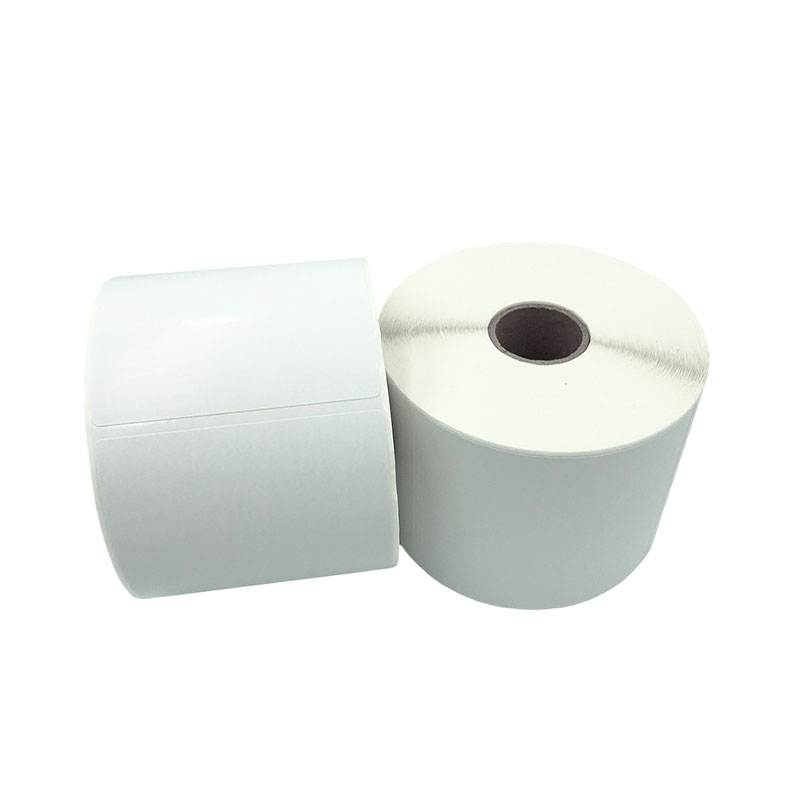
In modern supply chains and retail systems, behind every box of medicine, every package, and every bottle of beverage lies a seemingly small yet crucial element—the barcode paper sticker.